


Brighton has long been home to people whose relationship with clothing runs deeper than simply getting dressed. For some, garments become entry points into wider worlds of music, subculture, design and personal history. Ollie Evans, the mind behind Too Hot, sits firmly in that space.
Working across agency projects, consultancy and creative research, Too Hot has built a reputation for helping brands better understand the cultural context that surrounds their products. It is a practice rooted in curiosity that moves between clothing, design history and the communities that give those objects meaning in the first place.
For this instalment of Friends of Peggs we spent the morning with Ollie at his studio in Hove.
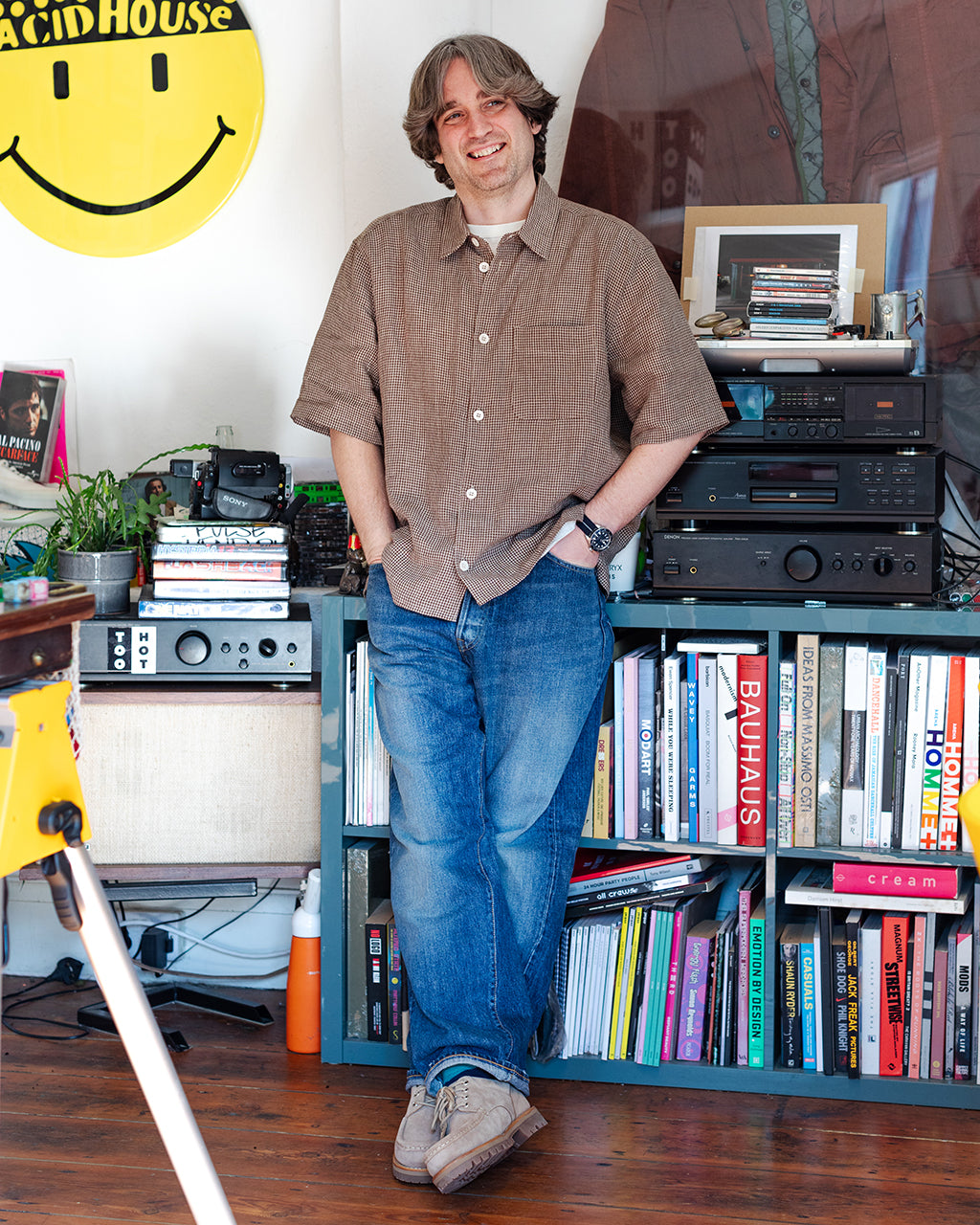
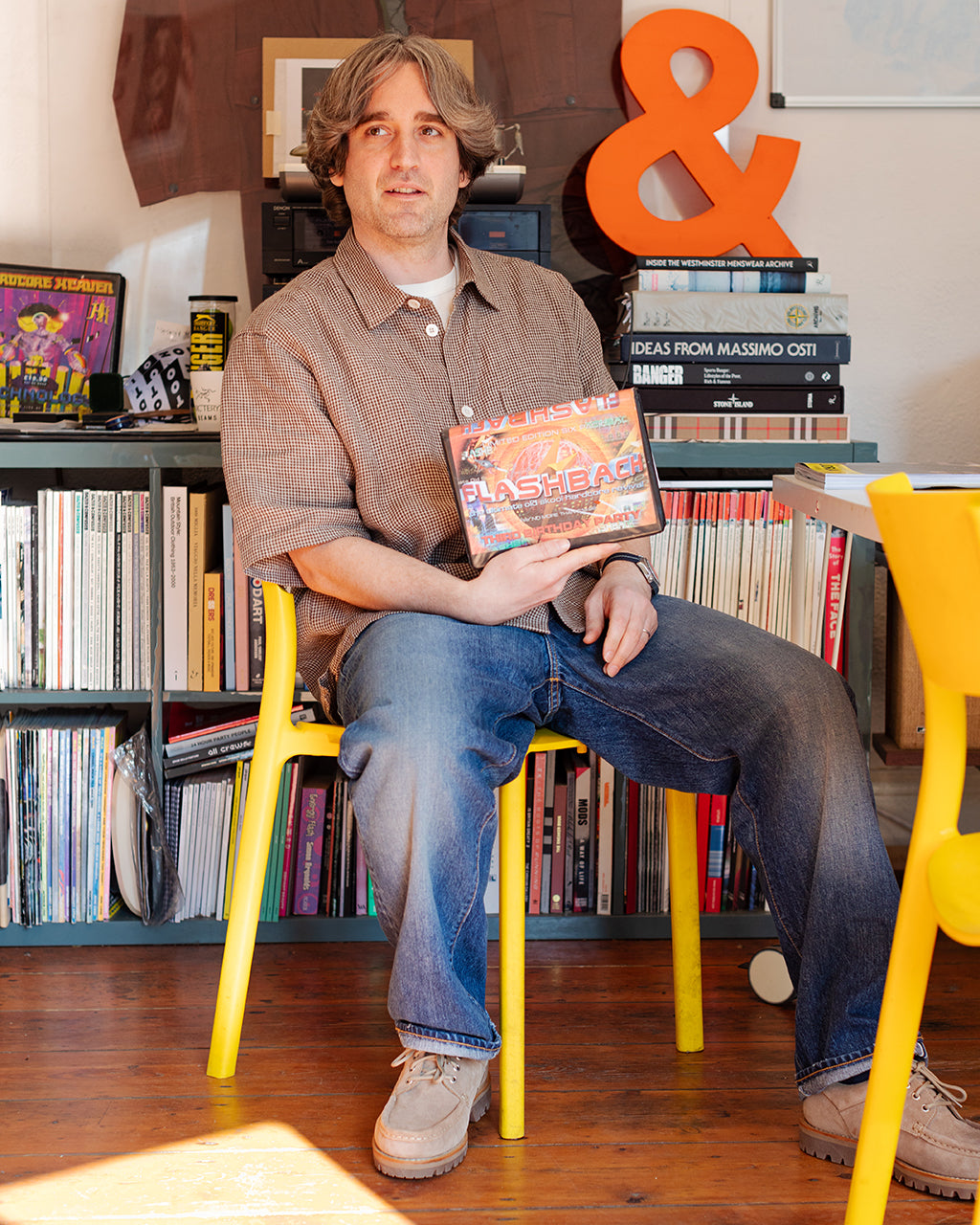
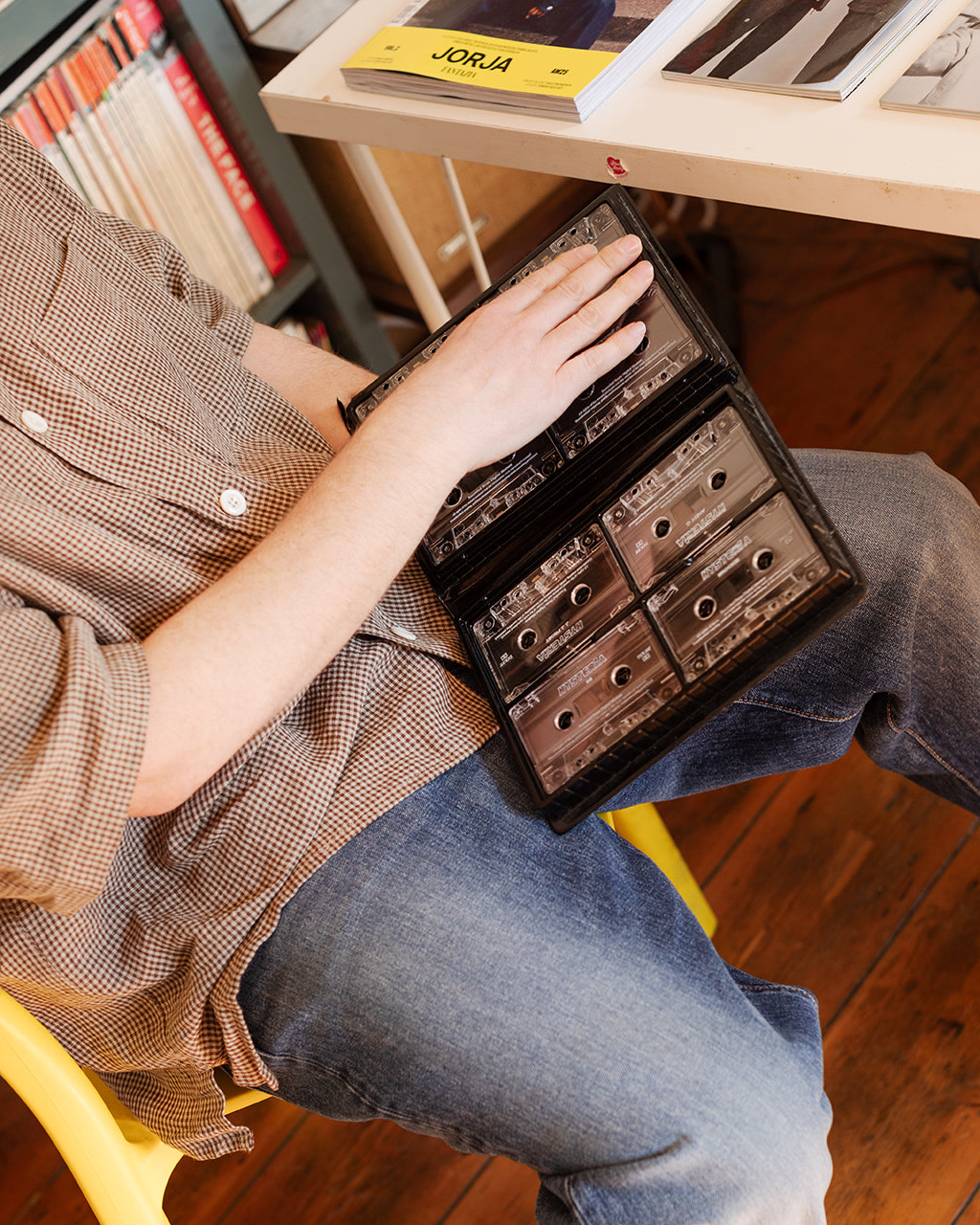
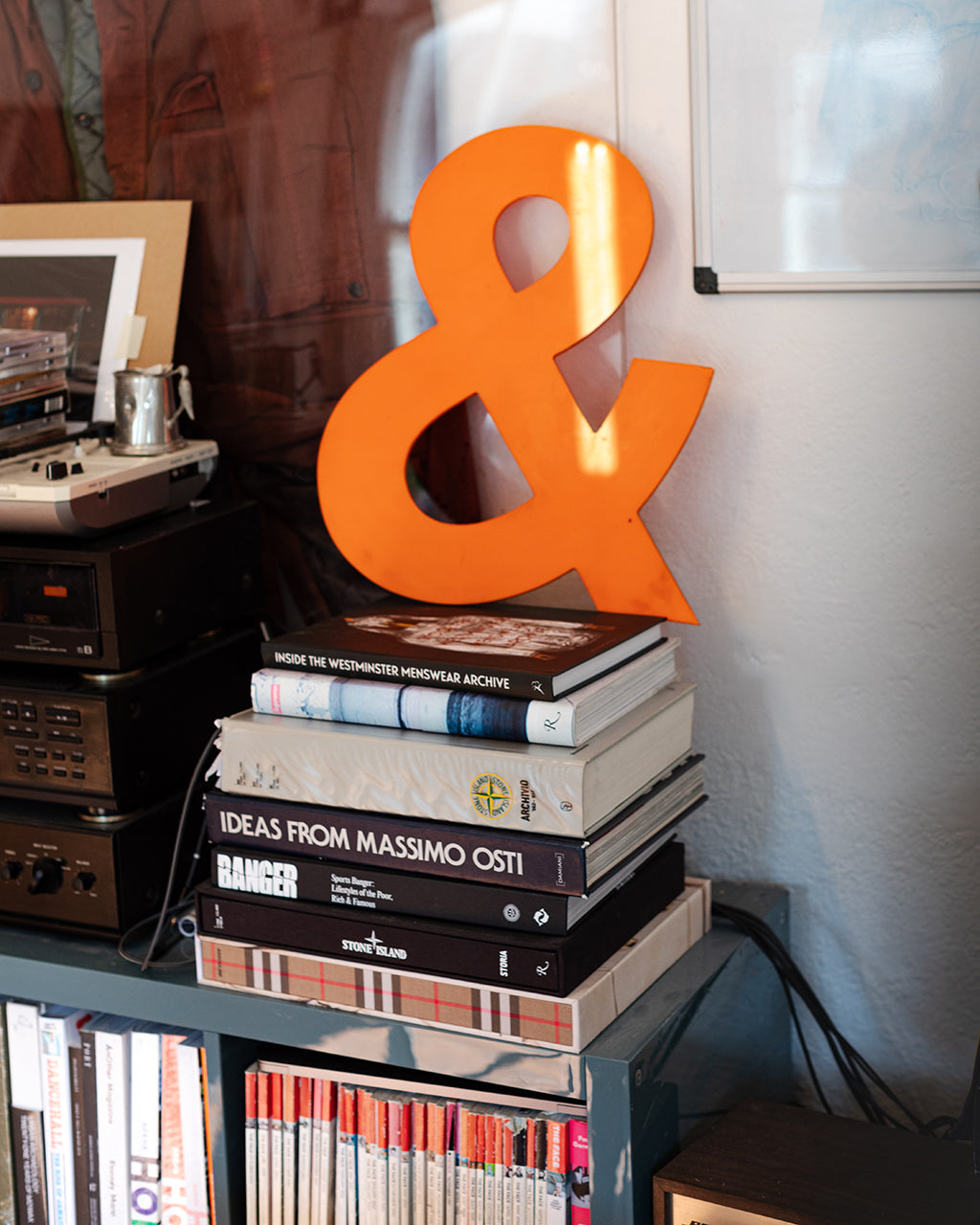
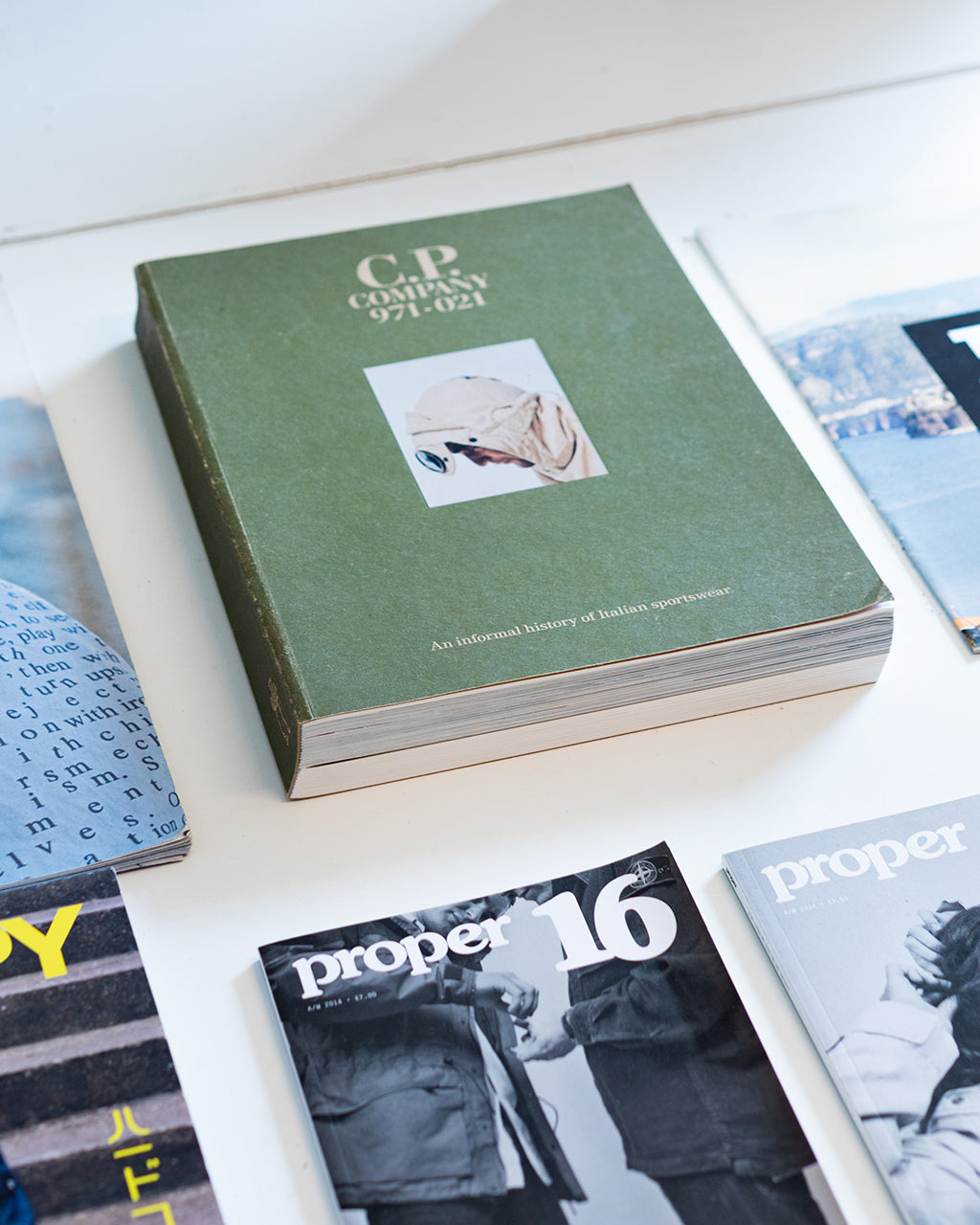
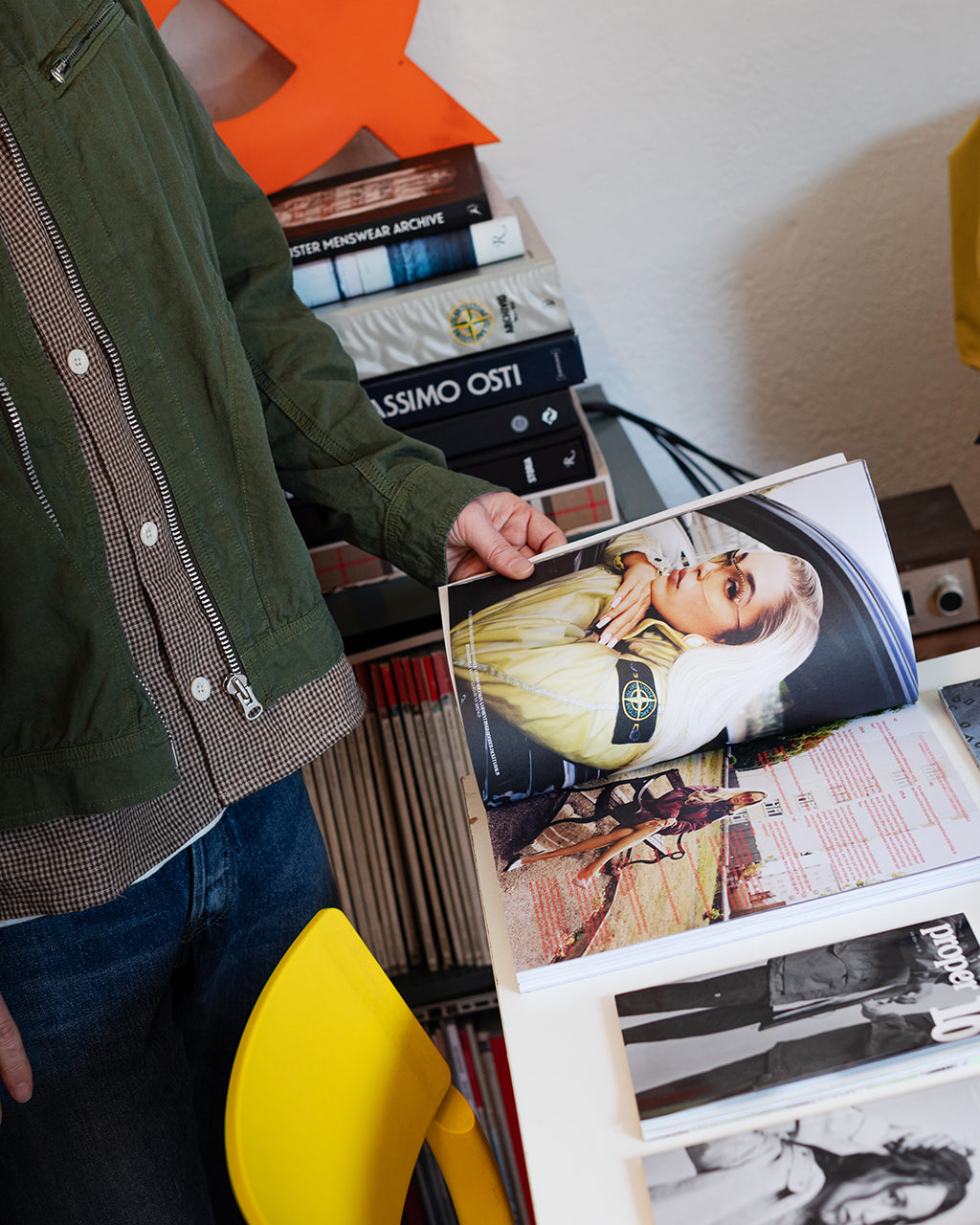
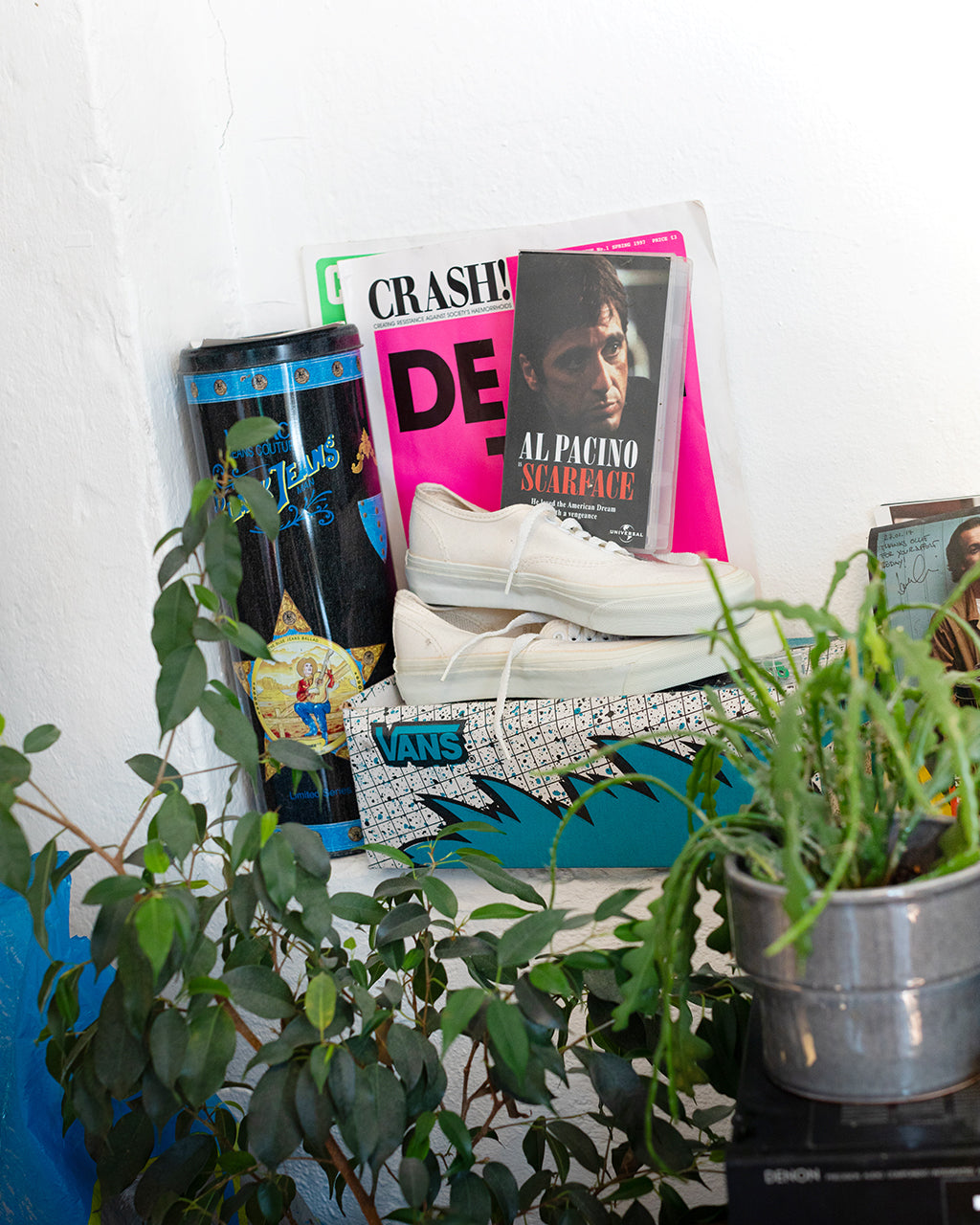
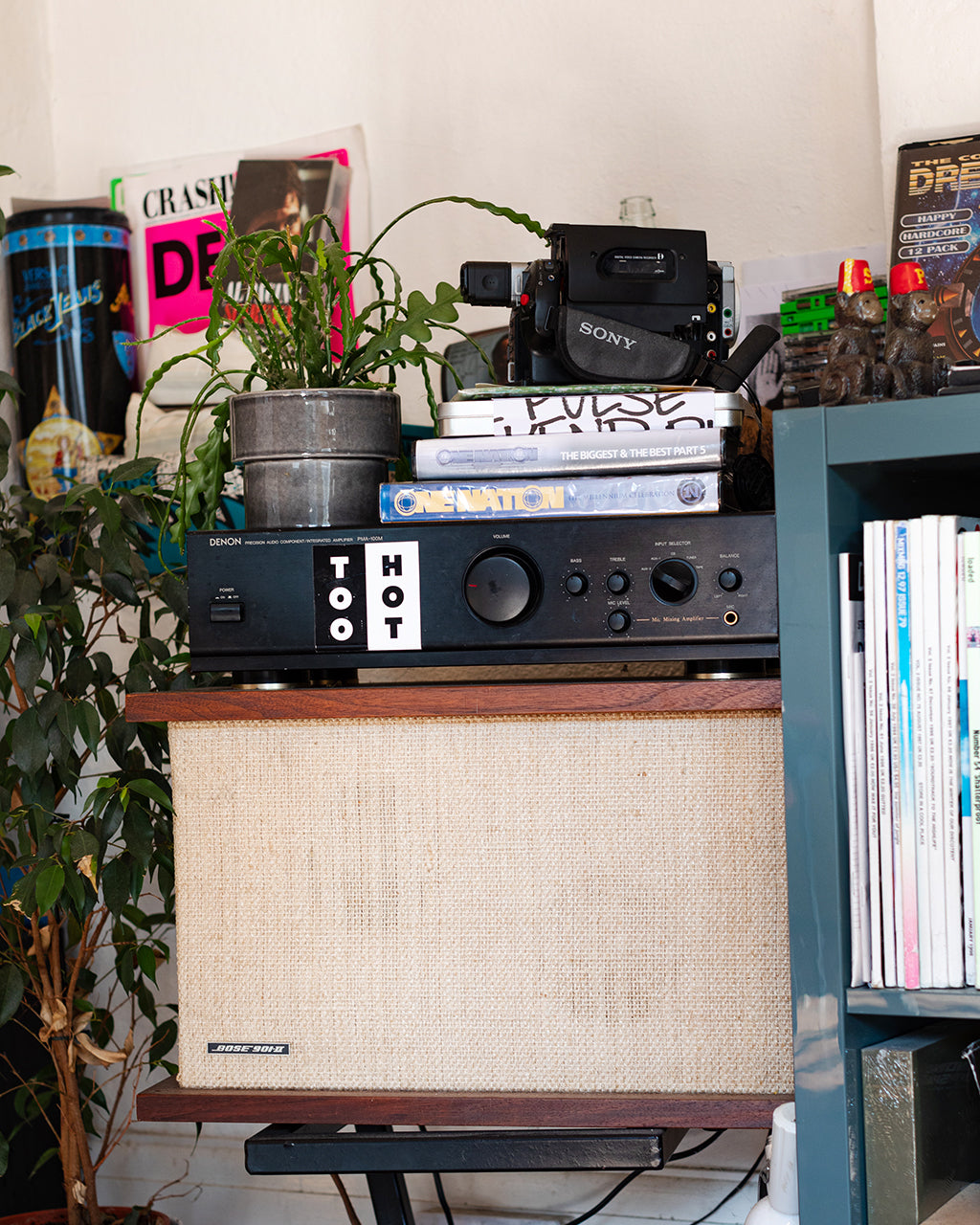
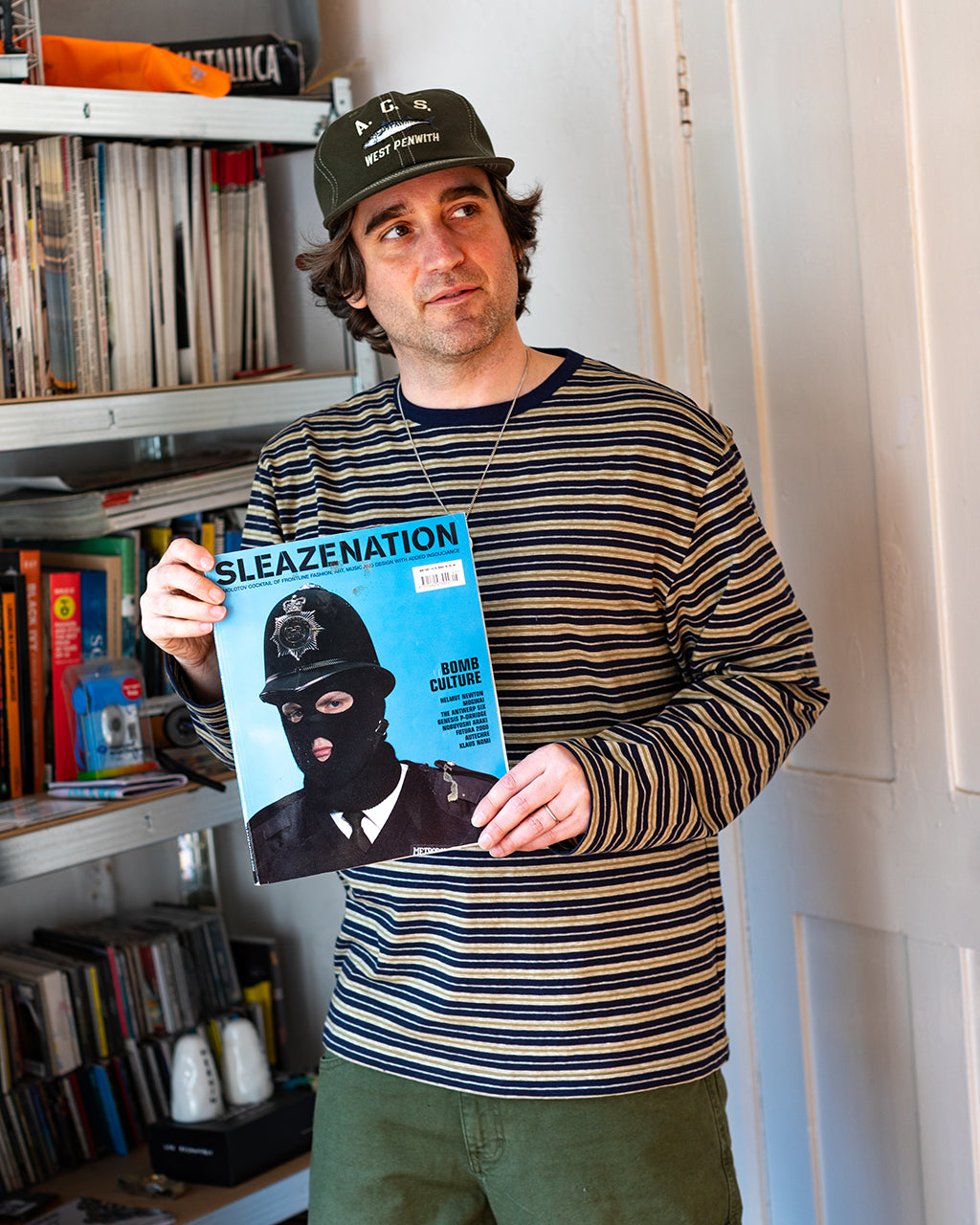
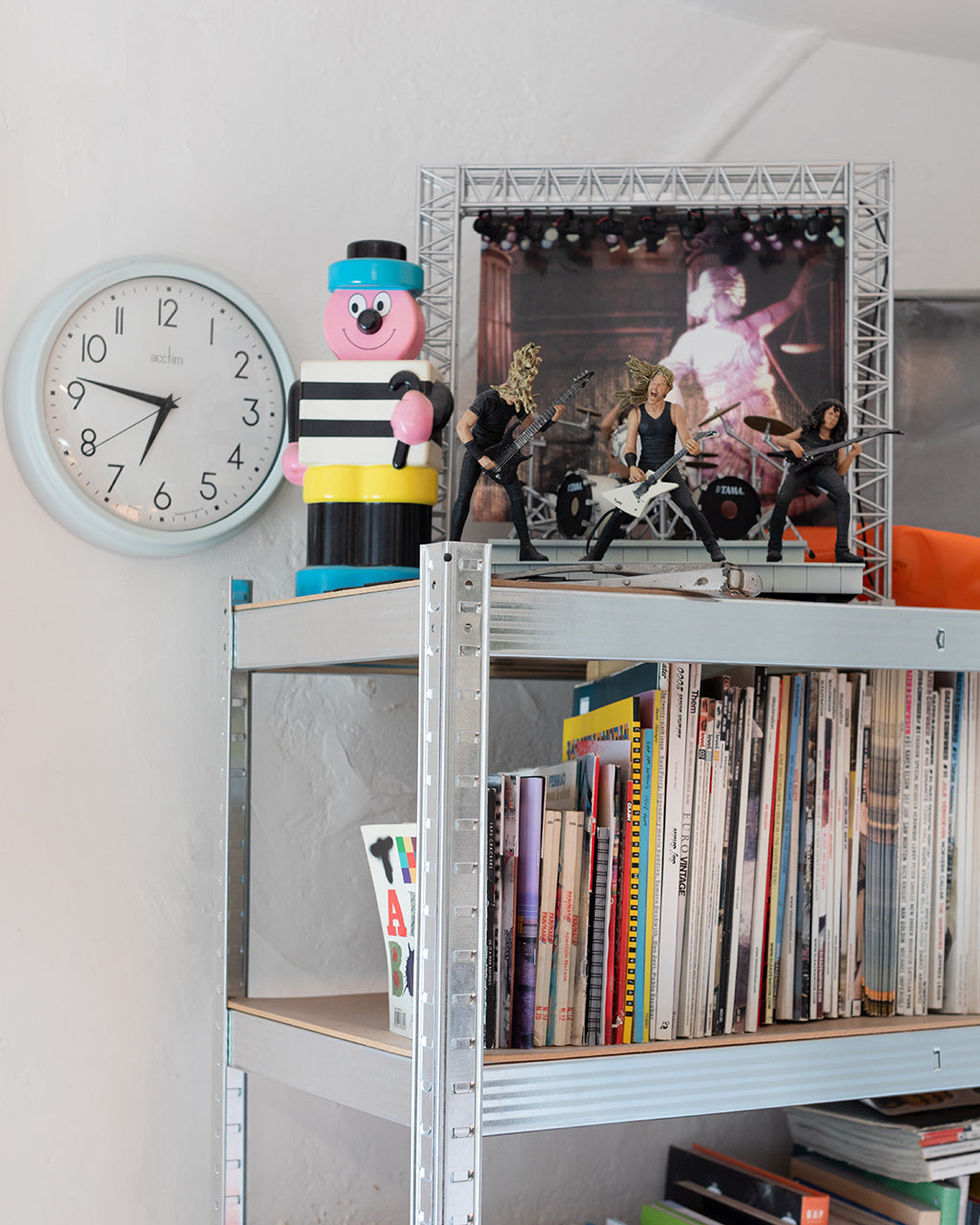
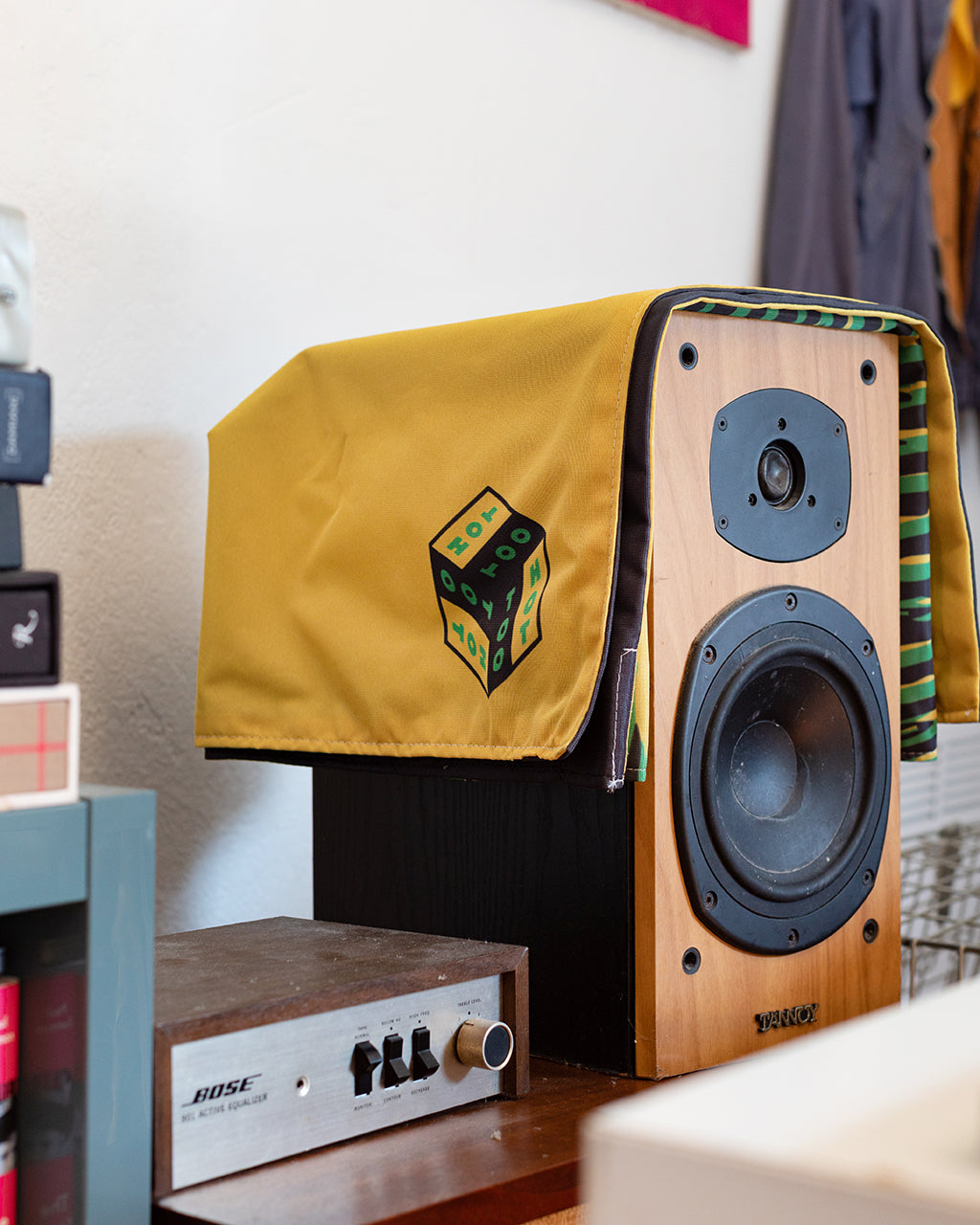
Stepping inside feels a little like entering a personal museum. Shelves and walls are lined not just with clothing but with the ephemera that surrounds it. Stacks of magazines sit alongside old rave flyers from nights long past, shelves of books and the kind of memorabilia that quietly charts a life spent immersed in culture. Old ID's sit beside publications Ollie has contributed to over the years. Each object represents a different moment, but together they form a broader picture.
It is this environment that gives Too Hot its perspective. Clothing rarely exists in isolation. It sits alongside music, art, print, technology and subculture. The studio reflects that layered view. It is a space where references, ideas and memories accumulate over time.
During our visit we spent a few hours talking through some of the ideas that shape Ollie’s work today. We spoke about the brands that first captured his attention, how historical context informs contemporary design, and what brands are really looking for when they turn to someone who studies clothing so closely.
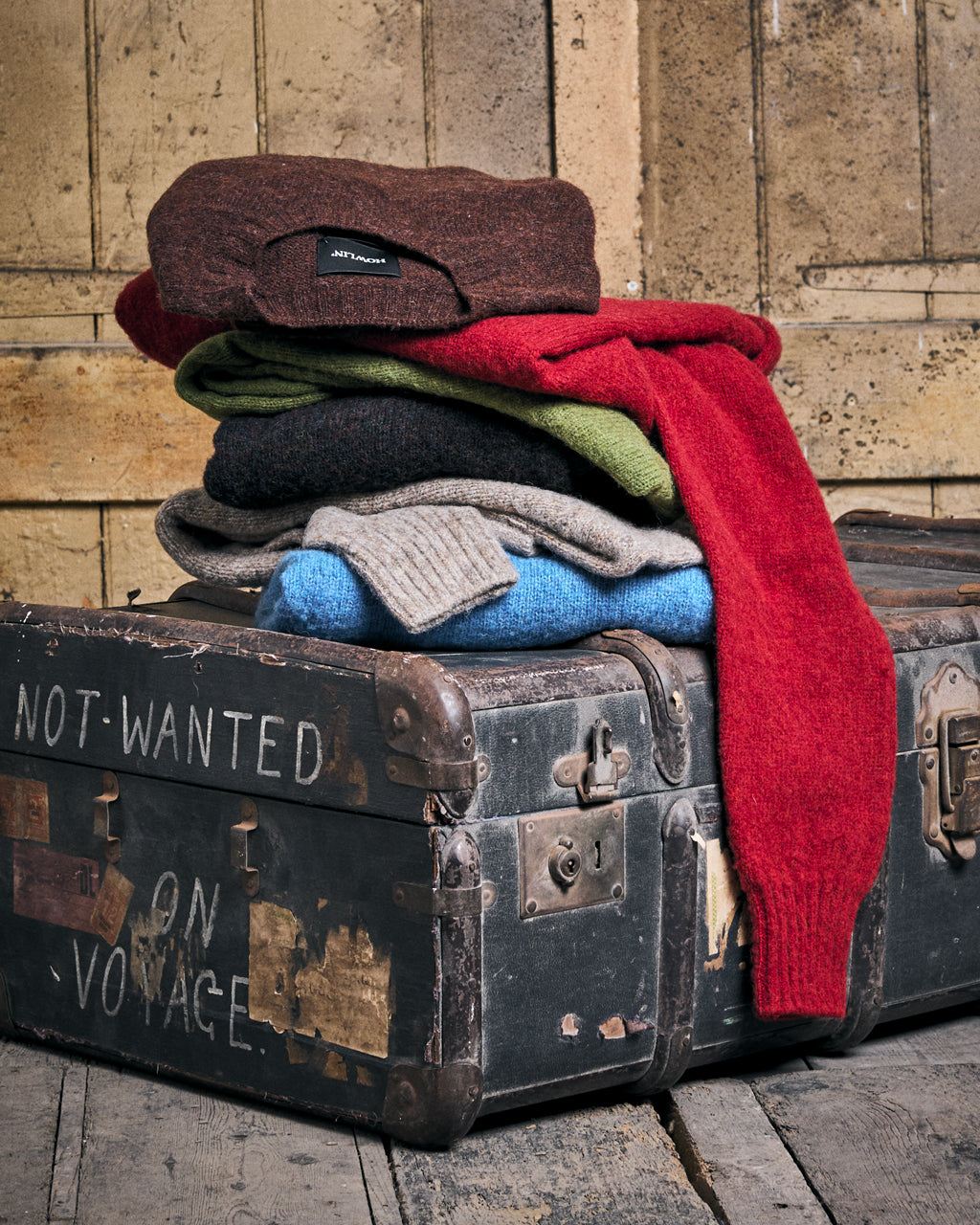
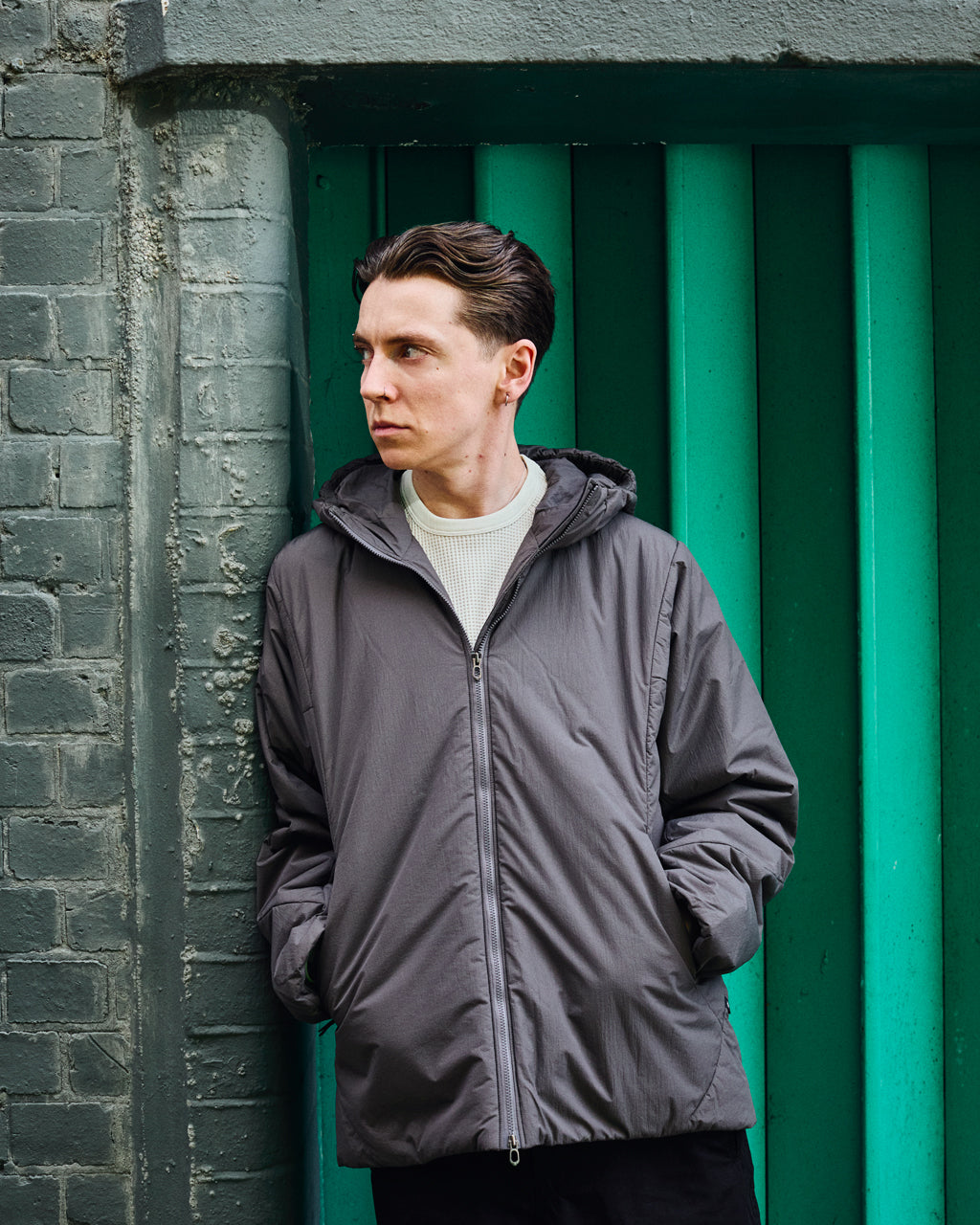
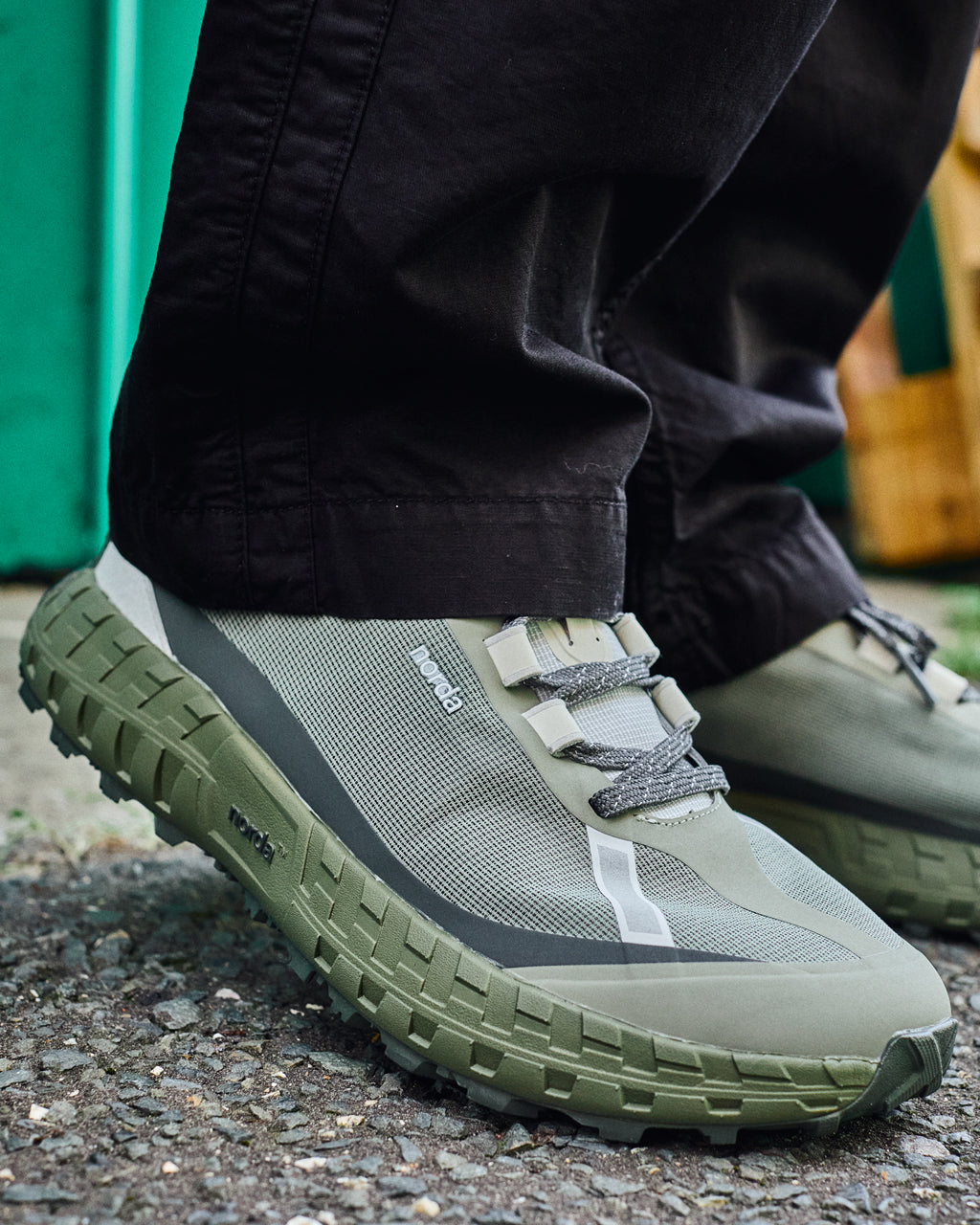
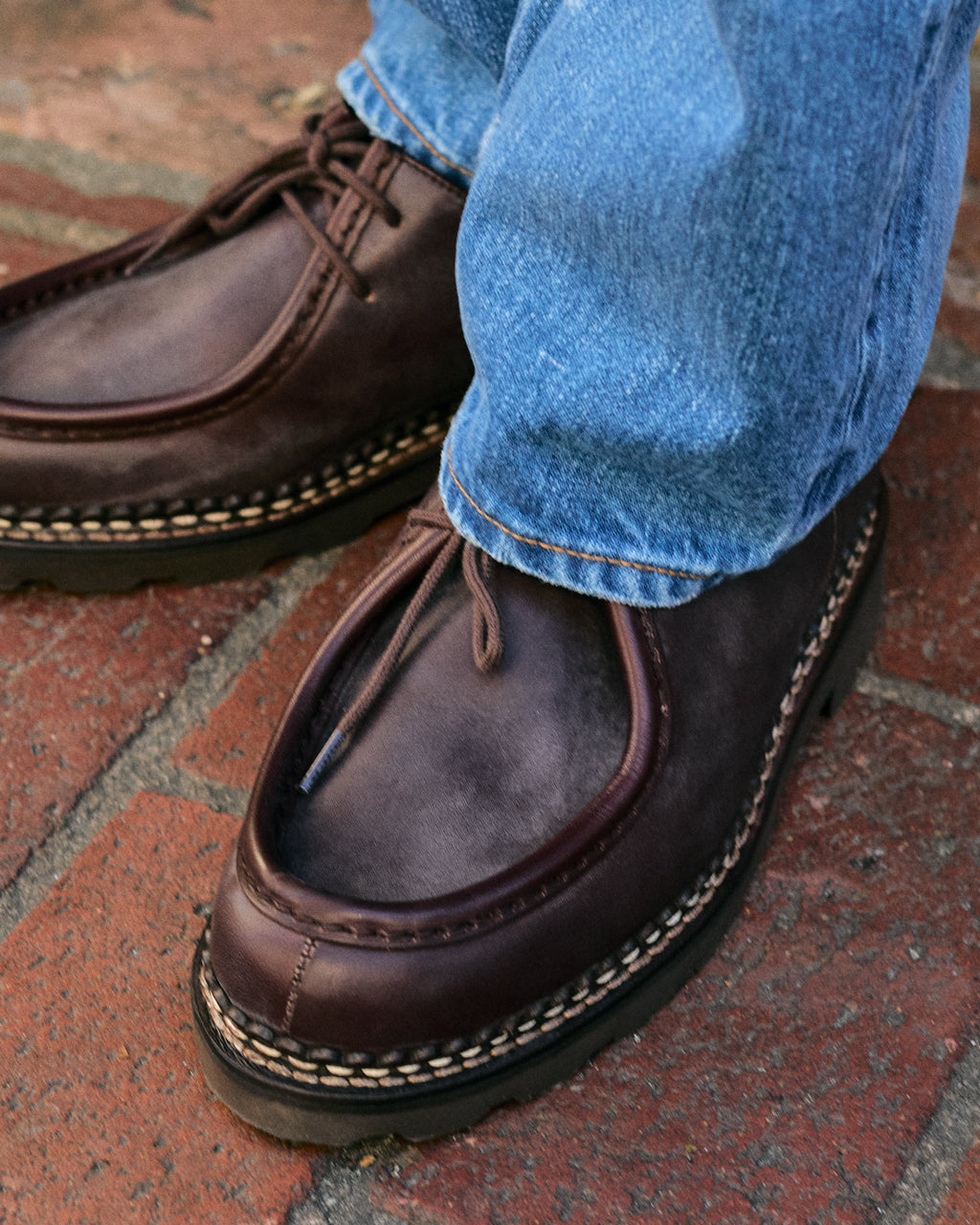
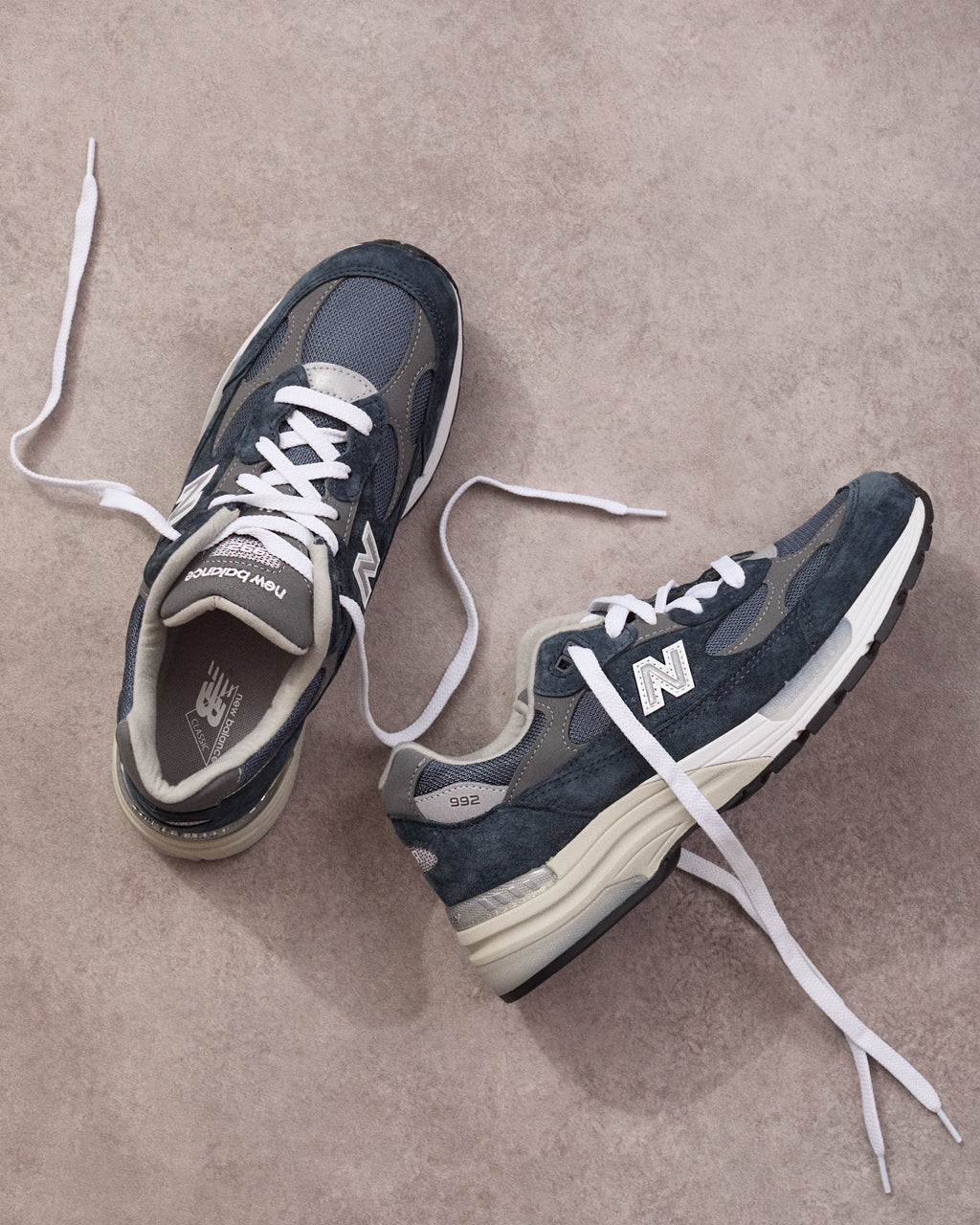
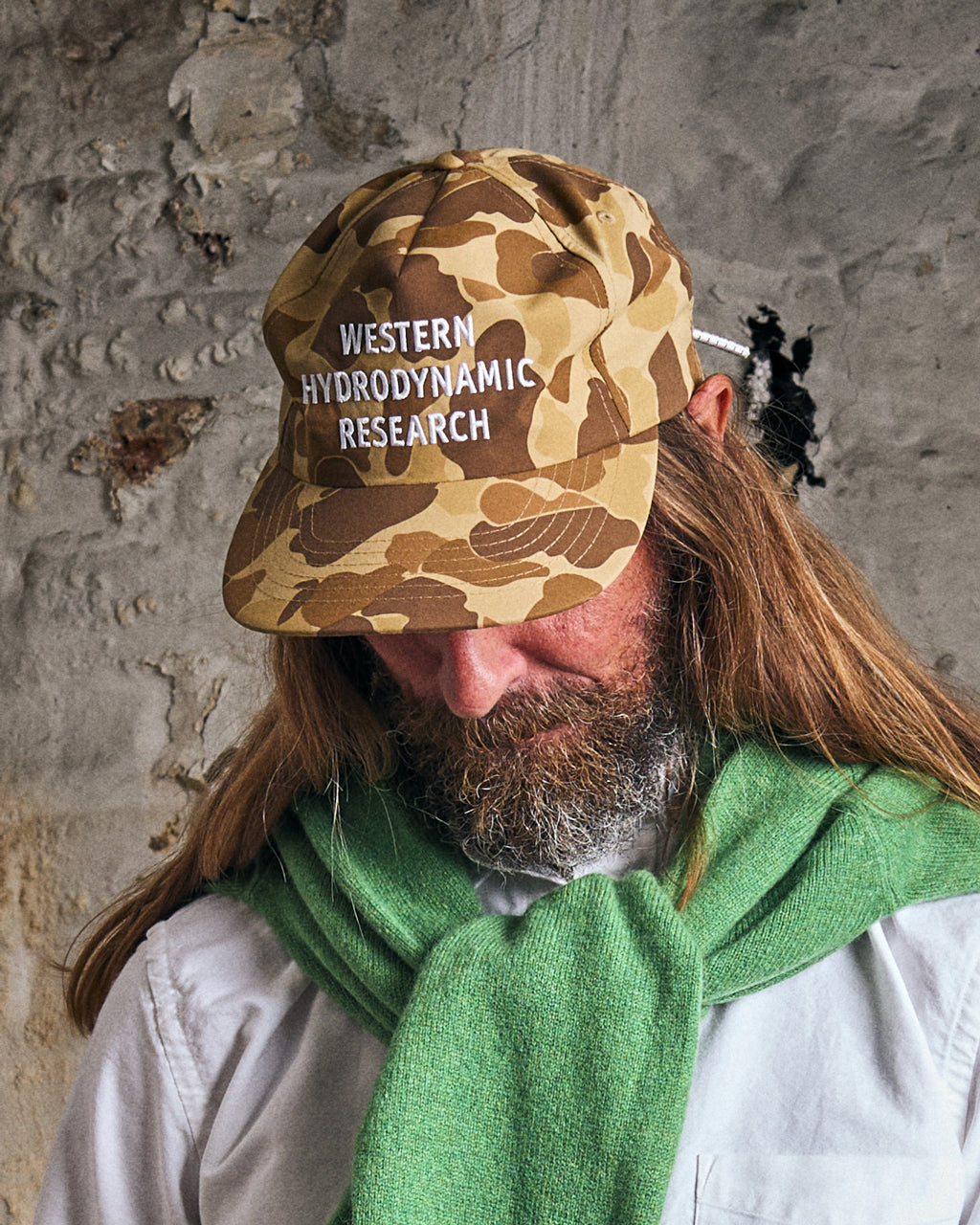
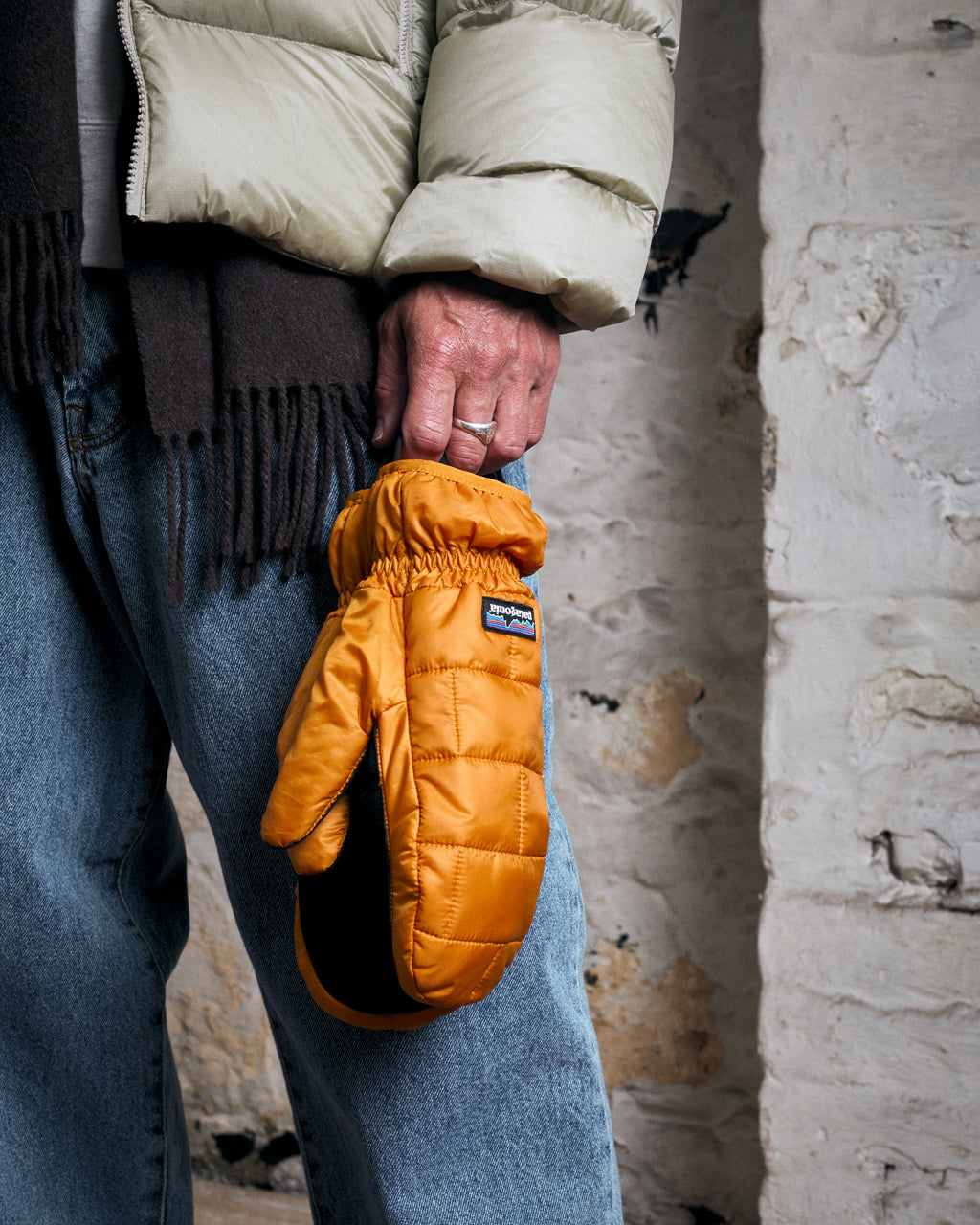
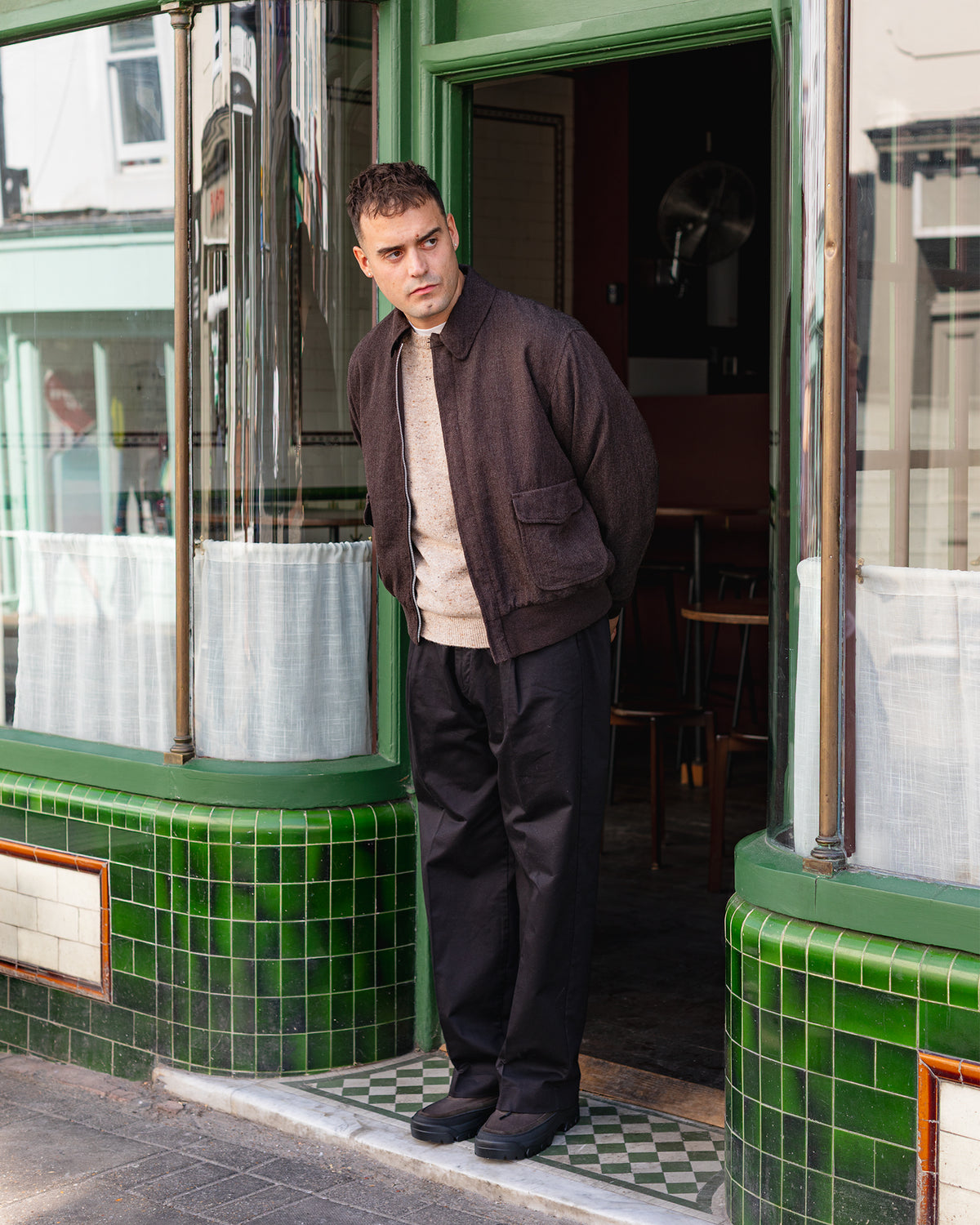
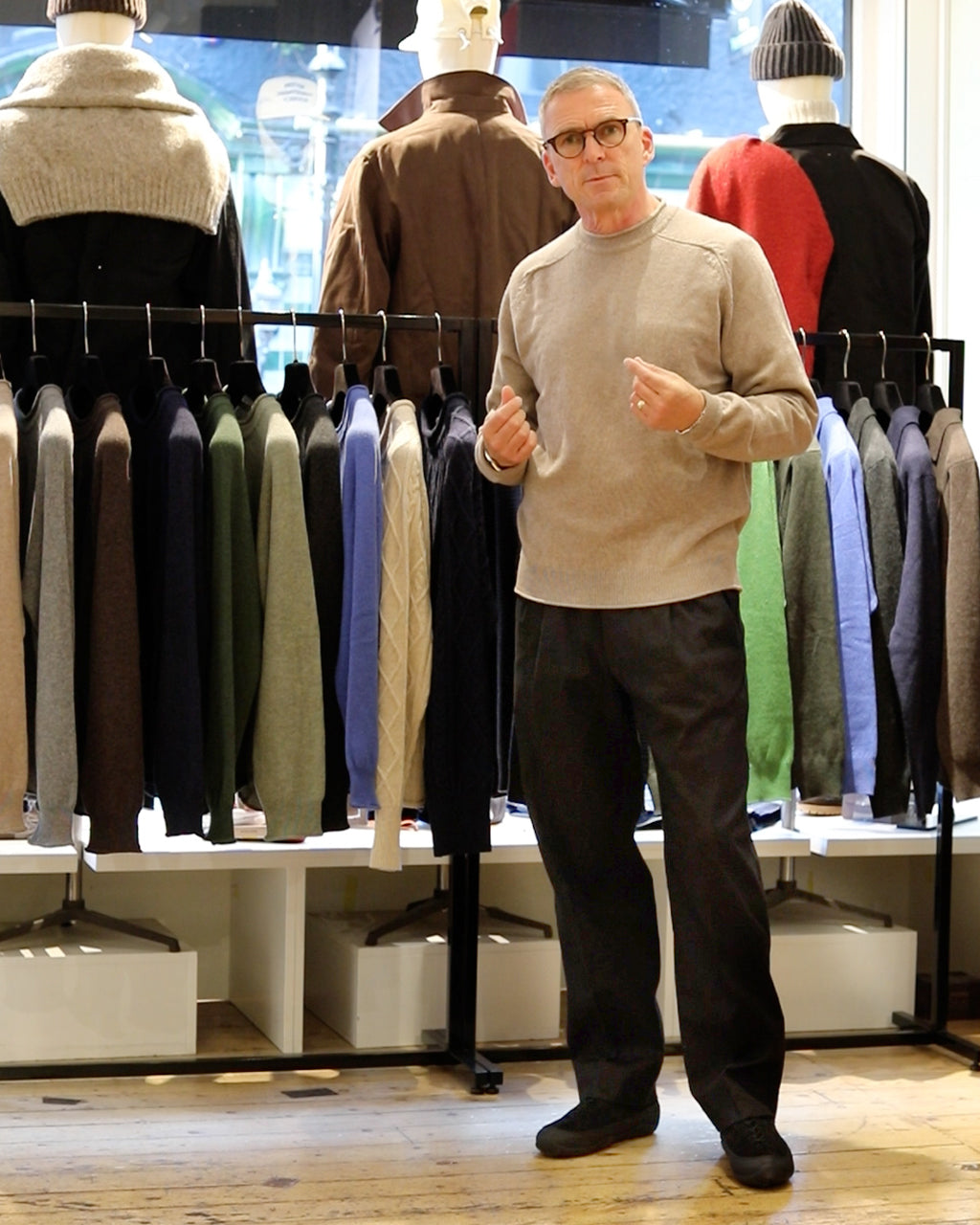
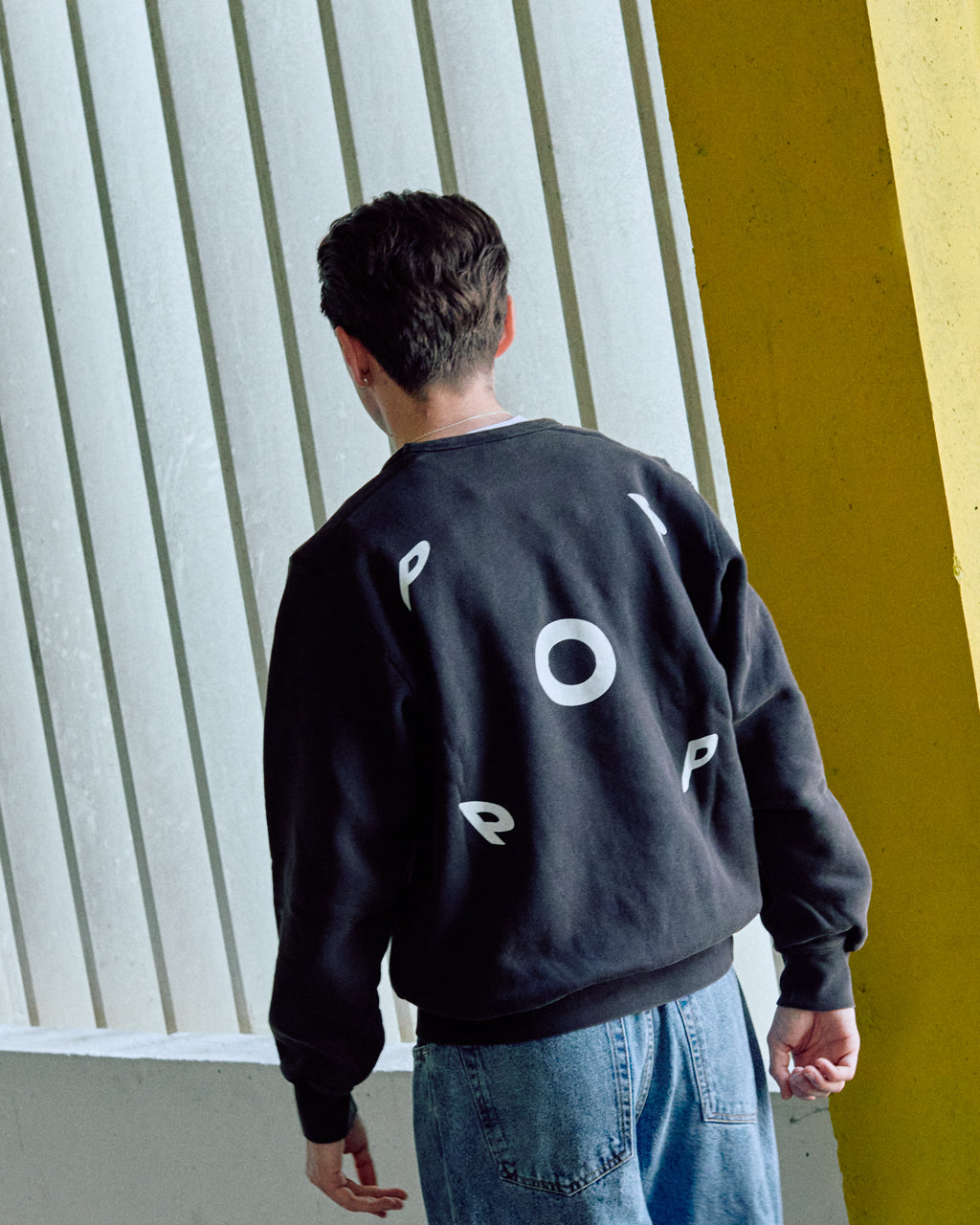
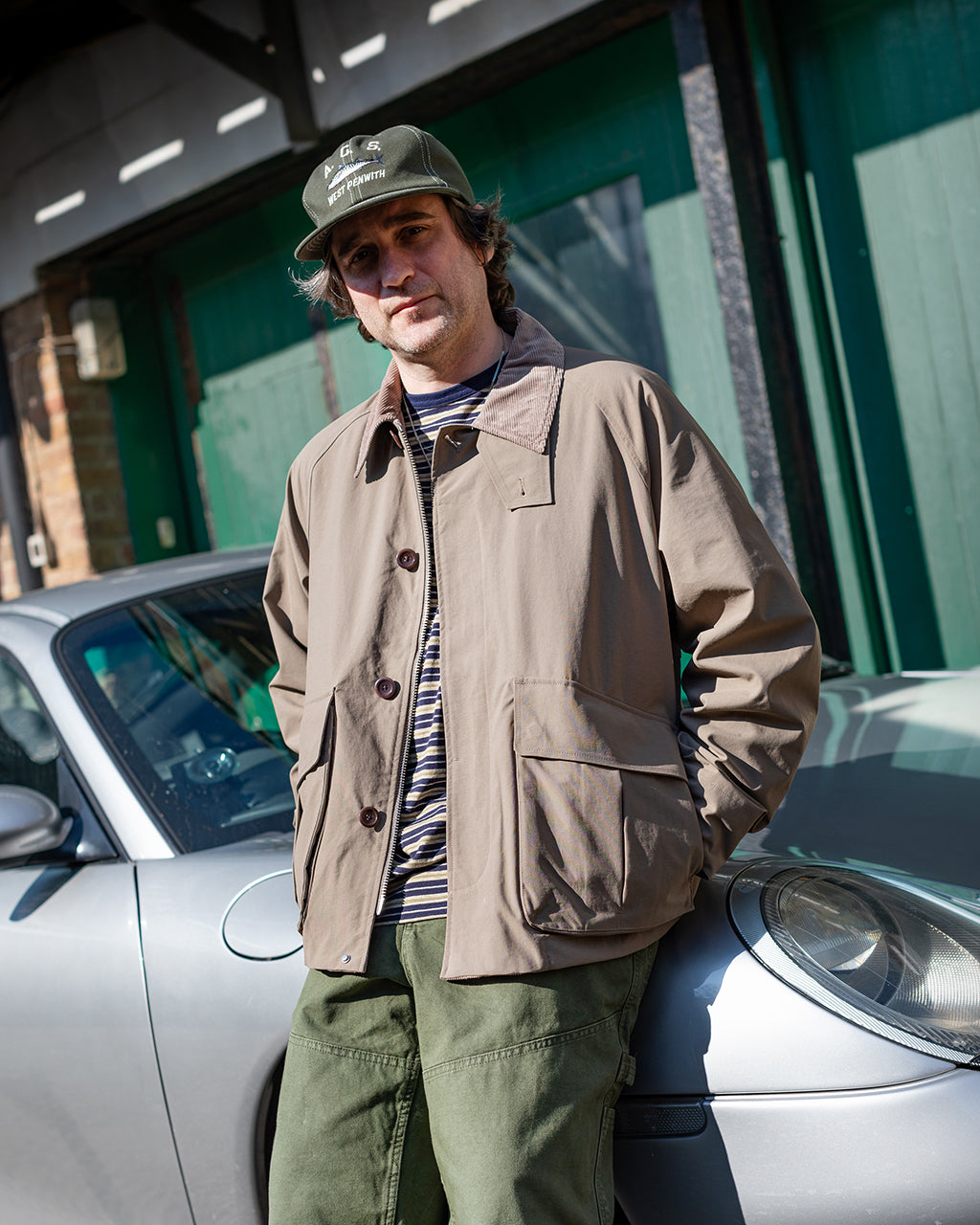
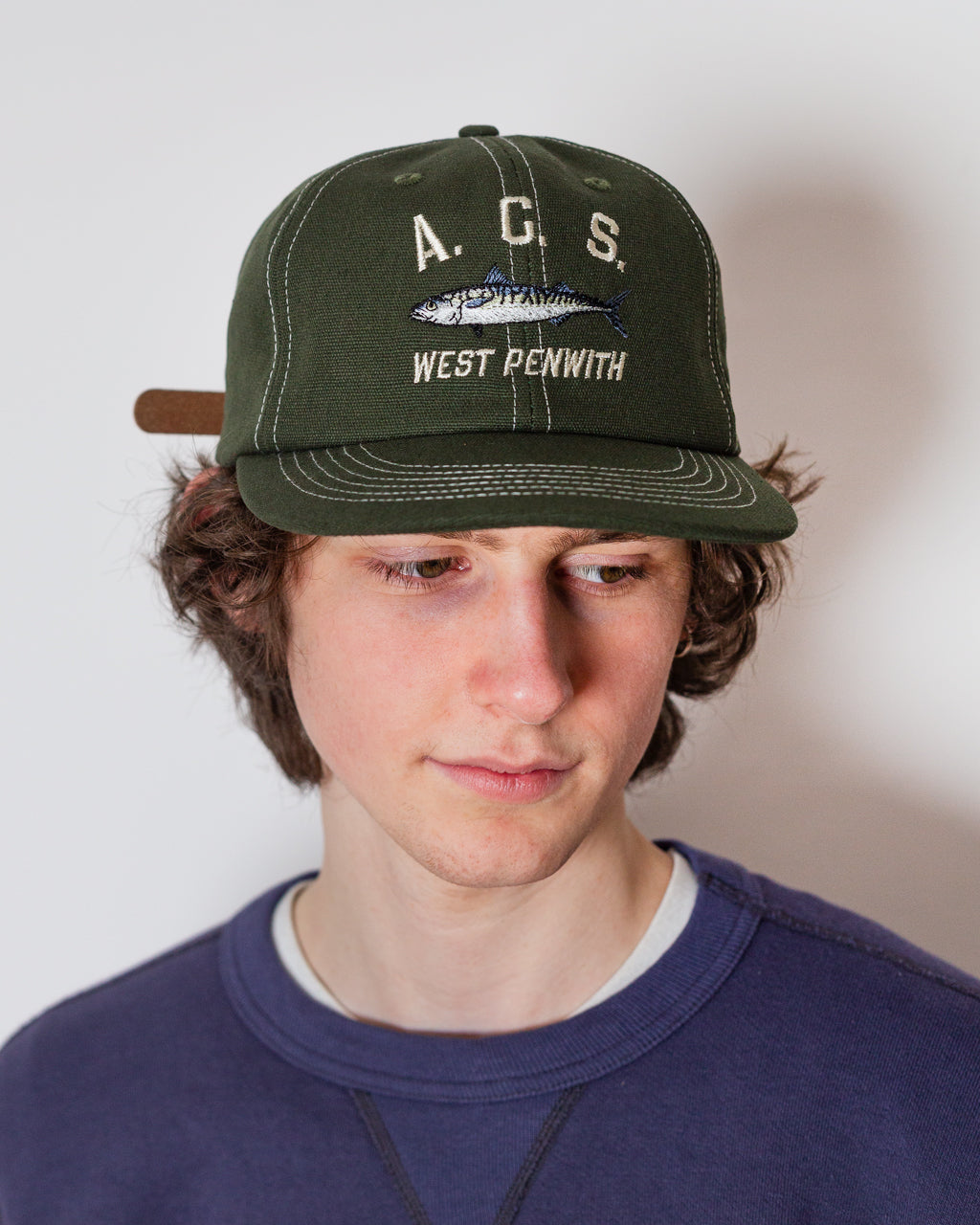
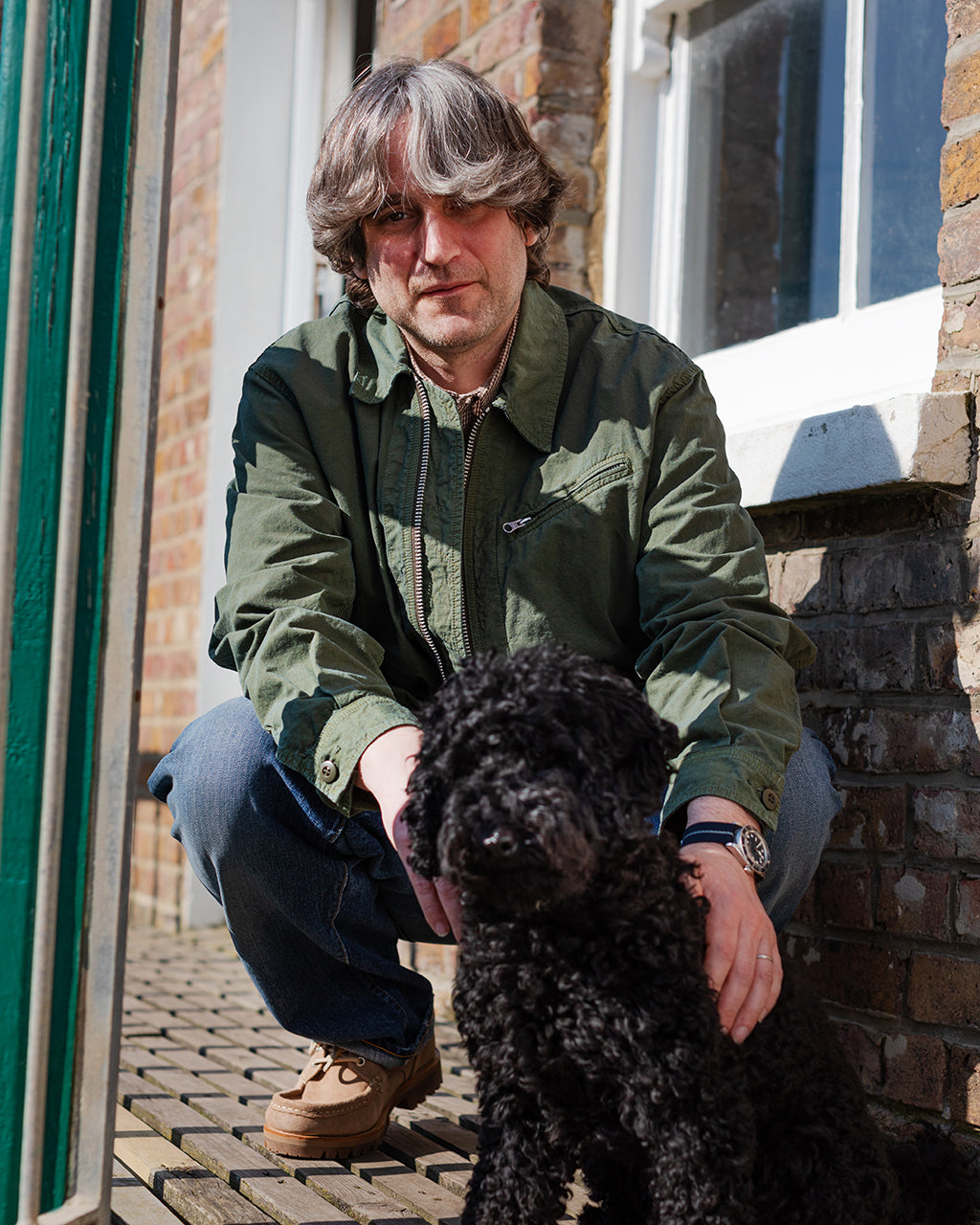
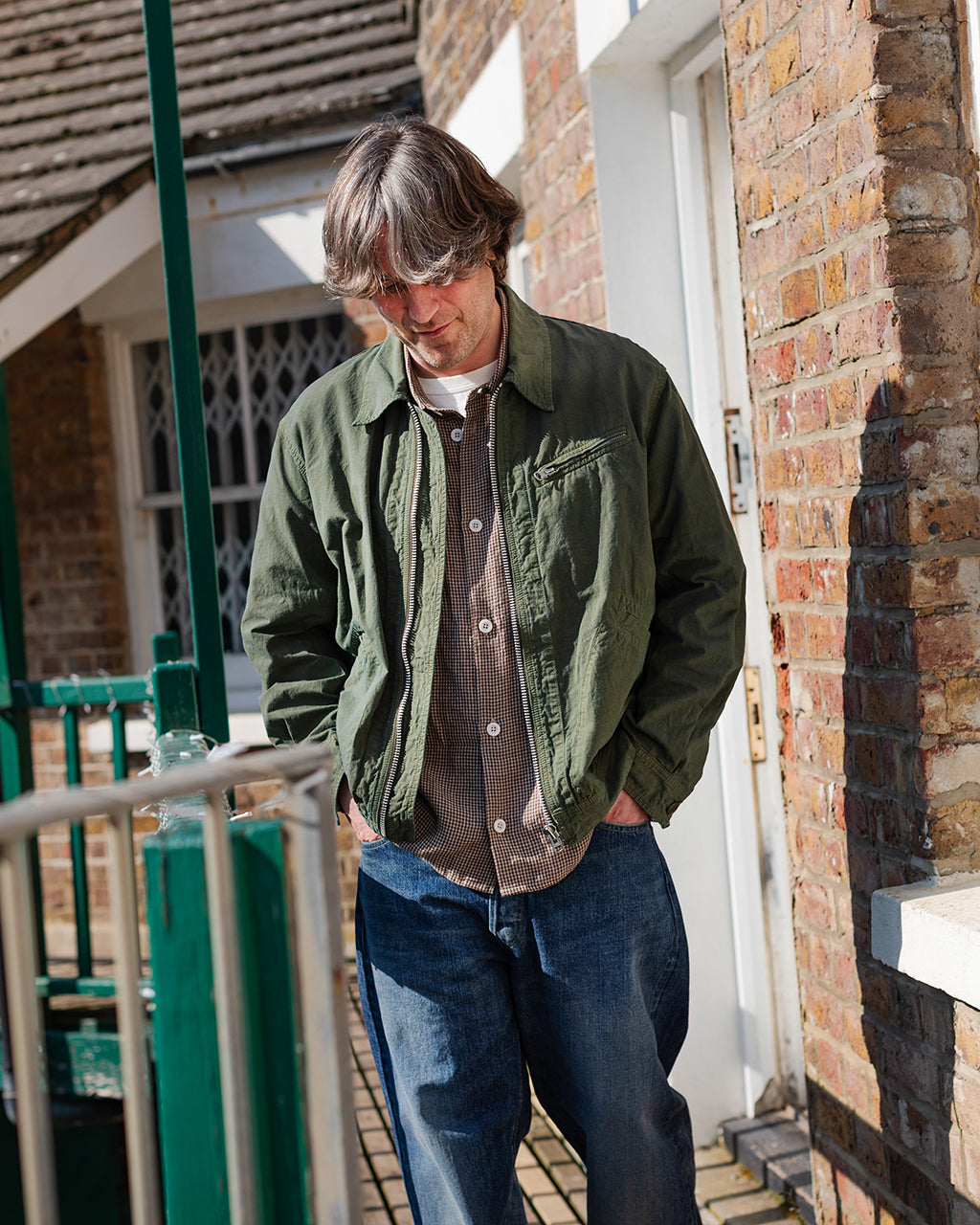
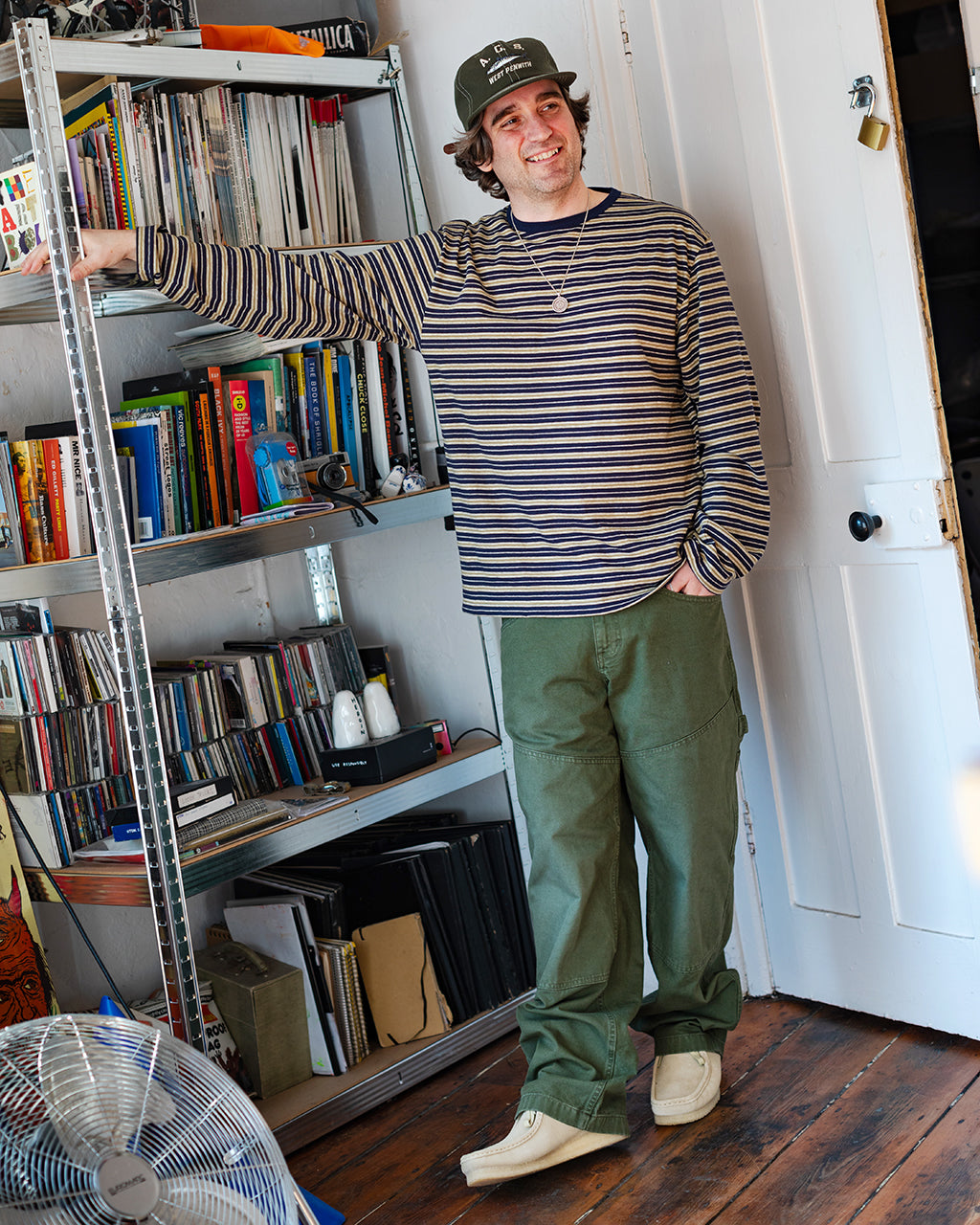
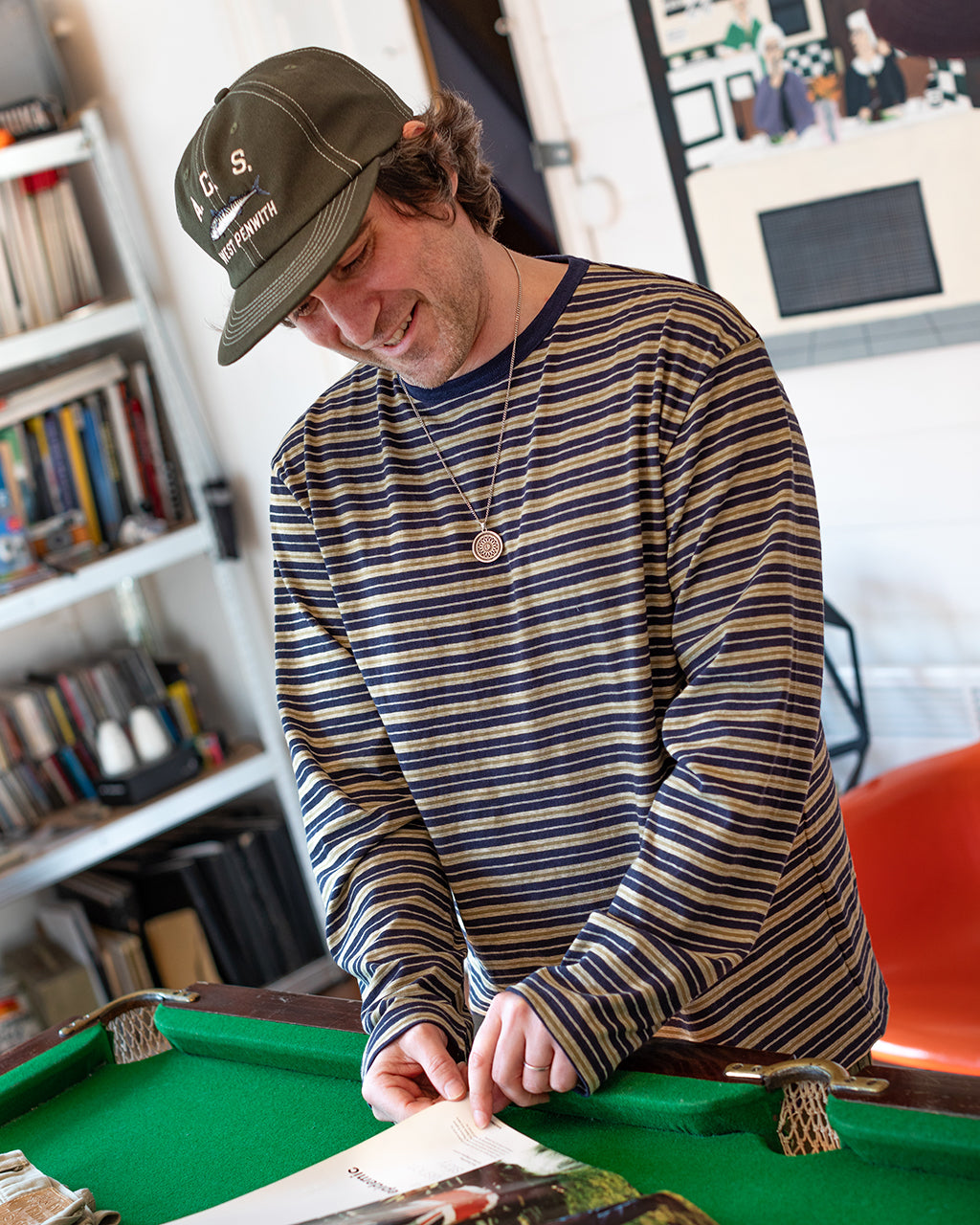
Along the way we also dressed Ollie in a selection of current season pieces from the Peggs shelves, placing new garments within a space filled with decades of cultural reference.
Read on for our conversation with Ollie about the practice behind Too Hot, the objects that shape his thinking and the stories that sit behind some of menswear’s most recognisable names.
Intro
P&S: For someone encountering Too Hot for the first time, how would you describe what it is, and just as importantly, what it isn’t?
Ollie: Too Hot is creative agency founded on archiving subculture and the history youth fashion. Not just a resell store, the vintage sales inform our practice but are not the end goal.

Archive to Practice
P&S: Too Hot began as a way of sharing objects you were already collecting. At what point did the archive start to inform how you think, rather than just what you own?
Ollie: I started Too Hot as a conscious effort to tie the clothes I was into with culture. Growing up I was so conscious of how what I wore was tied to the music I listened to and the scene that I was into I felt that it was such an important part of forming an identity that I wanted to share my take on it with other like minded souls. That connection between the concept and product has been there since the outset, the name Too Hot is routed in subculture as it's taken from the Specials’ song Too Hot which is a cover of Prince Buster’s ska original. Hence the company logo is Two Tone.
-
P&S: Do you see archiving as an act of preservation, education, or reinterpretation - or does it shift depending on the project?
Ollie: I love history and how the past informs the present so when we’re working with brand’s I like to go back to the origin story and see how that birth has created what we see today. Each brand has a different pathway and I find that fascinating to learn how one thing leads to the next, how we can share those stories and how they will resonate with a modern audience.
-
P&S: Your archive seems to orbit around a handful of key names - Stone Island, CP Company, Boneville, Evisu, Berghaus, amongst others. What originally drew you to those brands specifically, rather than the broader landscape of vintage menswear?
Ollie: I find with anything creative personal experience yields the most authentic results, so all the brands that I like to collect and to share the history of through our social media are ones that I have a personal connection with from growing up. I started going out clubbing and raving in the late 90’s Birmingham heavily into drum & bass, at that time myself and all my friends were wearing Evisu, Berghaus, Prada, Moschino etc. Shortly after I worked in Zee & Co in Bow, East London selling Stone Island, CP Company, Patrick Cox, Armani and more around the time that garage morphed into grime.
Being involved in and around those scenes first hand made me want to share the connections between the style and music in the UK subcultural continuum from the 80’s to early 2000’s. You can trace that lineage back further to post war scenes such as mod, ted and beyond into streetwear but that is outside of my current personal experience. I’d like to write a book one day about it, I find it truly fascinating.
-
P&S: Do you approach each brand differently when archiving? Or are you looking for similar qualities across all of them?
Ollie: I tend to operate on gut instinct of what I like or what means something to me and importantly something that I would wear. I recently sold a lot stuff that I’d hoarded for a while that I hadn't worn for a while or ever, fortunately that kind of collecting has acted as a bit of savings account as generally if you buy well these things go up in value and when they time comes you can get out of them fairly easily for a profit.
Objects, Wear and Evidence
P&S: You often highlight wear, damage, and repair rather than pristine condition. What do those marks tell you that a “perfect” garment can’t?
Ollie: Expectation management and transparency for the customer is really important with used or vintage clothing. A lot of the time those imperfections are part of the garments history, particularly when dealing with subcultural related stuff from 80’s or 90’s it’s nice to know that things were worn as intended.
-
P&S: Is there a piece in your archive whose value is almost entirely tied to its story rather than how it looks?
Ollie: I have a couple of pairs of early 90’s hand painted Evisu jeans that have become very faded and the ‘gulls’ on the back pockets have become barely visible, I love that ghosting effect and that wear tells a story. Almost like the original shock of the act of painting on the denim has subsided and quality of the product is all that remains except a very subtle nod for those in the know.
Taste, Reference and Obsession
P&S: How much of your eye has been trained through research, and how much has come from instinct and obsession?
Ollie: My instinct and obsession is to research and find out the story, my mom always used to say as a child I was an information junkie, if I get into a subject matter I have to know absolutely everything about it and hate when I see other people presenting facts (I know) incorrectly.
-
P&S: Is there a period, brand, or style you once romanticised that you now view very differently? What changed?
Ollie: I think I’ve I think I’ve been pretty consistent with my taste and interests, I’ve stayed true to what I believe in, I really love UK culture, I love how diverse the country is and how that has led to the importation ideas, food and music which has created such a rich tapestry of youth cultures since the second world war, for instance jungle music could not have emanated from anywhere else, it’s such a mix of world sounds, smashed together with a uniquely UK attitude. I did have a brief infatuation with American heavy metal when I was 12-13 which doesn’t particularly represent me now but I still enjoy the odd like odd blast of Metallica every now and then.
-
P&S: Do you think contemporary brands today are doing enough to create pieces that will feel archive-worthy in 20 years?
Ollie: I think some are but I think it will more likely come down to be the brands that are making items in small batches by hand or with high quality manufacturing, so much quality has gone from production since the 80’s and 90’s due to cost that a lot of companies clothes will become disposable simply because they won’t last.
Working with Brands
P&S: When established brands approach you, what are they most commonly missing when they look at their own history?
Ollie: When we work with established brands it’s usually around story telling, how the brand was adopted by subcultures, how the wearers made it their own or how the history of the brand informs current design decisions. For example we recently worked with Berghaus on a documentary project looking at how kids in the North East during early 2000s into the Makina rave scene adopted the Mera Peak jacket as their uniform, wearing them inside the rave tied around their waists before then heading out into the Sunderland rain to walk home at 6am. The jackets providing both community belonging and practical capabilities. Similarly we worked with Gant investigating their preppy history which manifested in a Fashion Week pop up and archive exhibition in Soho that showed how sports wear was adopted as everyday wear by Ivy League students in the early 20th century which over the years of having been filtered through Japanese obsessives, the mods, football casuals and east coast rappers has ended up becoming the default blueprint for (most) men’s style since.
-
P&S: Have you noticed a difference between brands that genuinely engage with their archive and those that treat it more as visual shorthand?
Ollie: There was definitely a trend a few years ago with brands wanted to connect with archive or vintage and I am surprised by the number of brands who don’t have an archive of their own past collections. Fortunately we have only really worked with labels that are passionate about their past work and keeping decent collections of their own products but also those of others that fit in with their cultural history. Fred Perry for example have a brilliant archive of mod revival early 80’s scooter jackets and parkas covered in sewn on patches from various meets and Northern Soul events, plus lot’s of other brands, especially the luxury brands and designers now collect huge amounts of vintage and archive fashion to inform their design work.
-
P&S: How is your time actually divided between archive, agency, and consultancy? Does one feed the others, or are they separate modes of working?
Ollie: Over the past 3 years the agency side of the business has largely taken up most my time, it’s been really great working across a wide range of creative projects from content creation, launch activations and brand collabs such as the one did with Kappa that took us out to Jamaica to work on a reimagining of their 1998 football jersey. It fantastic to be able take in cultures that have informed my work for years first hand and learn even more about them in the field. One way of working tends to feed into the other, over the past few months we’ve been working with a client who has an incredible warehouse full of 80’s-00’s deadstock clothing to bring that to retail and wholesale, from there brands have started getting in touch when they have seen me uncovering long lost stashes of their products.
-
P&S: When a brand approaches Too Hot, what are they typically asking for? Is it research, validation, direction, or something else entirely?
Ollie: It varies from project to project but as mentioned earlier it’s usually to help tell the stories of their own history, how that manifests tends to work in different ways and from project to project. In some cases we’ve created editorial style content, having models wear the clothing for stills and video campaigns, we’ve made documentary projects meeting members of specific subcultures to talk about their history with a brand or we’ve created activation launches contain archive exhibitions of a brand’s history alongside new products that correspond with the past.
Contemporary Culture and Context
P&S: In an era where everything is immediately searchable, what do you think still gets lost without physical access to garments and objects?
Ollie: Context and reason get lost and that is something I’m really passionate about, things don’t emerge fully formed out of thin air there is an evolution and pattern and I love joining those dots to give people the full picture. Only by feeling and experiencing the garments first hand do you get that.
-
P&S: In the UK especially, brands like Stone Island and CP Company have carried very specific cultural associations over the years - some romanticised, some controversial. How do you personally view that part of their history?
Ollie: The history of these brands is intrinsic to their existence today, for a long time both shied away from embracing their subcultural history. Today thankfully they have taken ownership of it, only by doing that can they reframe the narrative to tell the story correctly and help people understand the true appeal of the clothing away from the controversy.
Closing
P&S: If you had to reduce Too Hot to a single idea or principle, what would it be?
Ollie: Iconic Cultural Artefacts. That was the strap line I gave the brand on day one, that could be applied simply to the vintage clothing or equally to the content we create.
-
P&S: What are you personally chasing next - better objects, deeper knowledge, or new ways of applying what you already know?
Ollie: I’d like to push our agency and consulting projects even further to work with more brands on connecting with their audiences through a shared love of culture. Using my knowledge and skills to share a passion for archives and how they inform the future. Outside of work I’m currently chasing cars, I’ve always said I’m only collecting clothes until I can afford to collect classic cars. Old German cars have a particular appeal, again they tie into British subcultures and the worlds that exist around them. Dress Italian, listen to Jamaican music, drive a German car.
-
P&S: Thanks Ollie!
